To Taste or Not to Taste, That is the Question
A little Poll on whether or not our Customers feel the Tasting Options on the Road is Necessary, Beneficial or simply a Waste of Time and Resources
Giving out free samples is often treated as an essential sales tactic. The logic seems simple: let people try the product, build interest, and increase the likelihood of a purchase.
Are Free Samples Worth It—or Just a Waste of Time?
Giving out free samples is often treated as an essential sales tactic. The logic seems simple: let people try the product, build interest, and increase the likelihood of a purchase.
But are samples actually driving sales—or are they merely attracting people who want something for free?
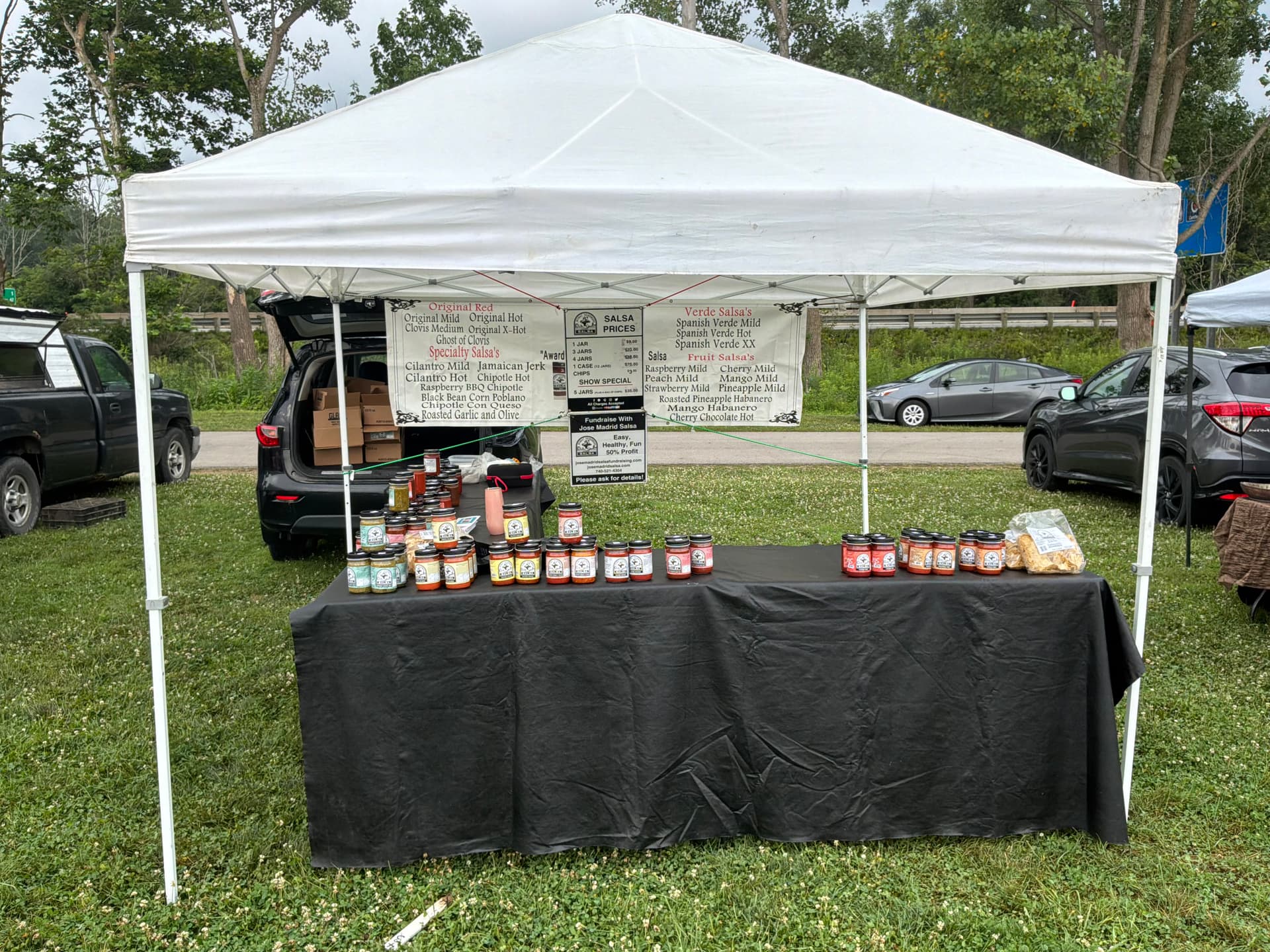
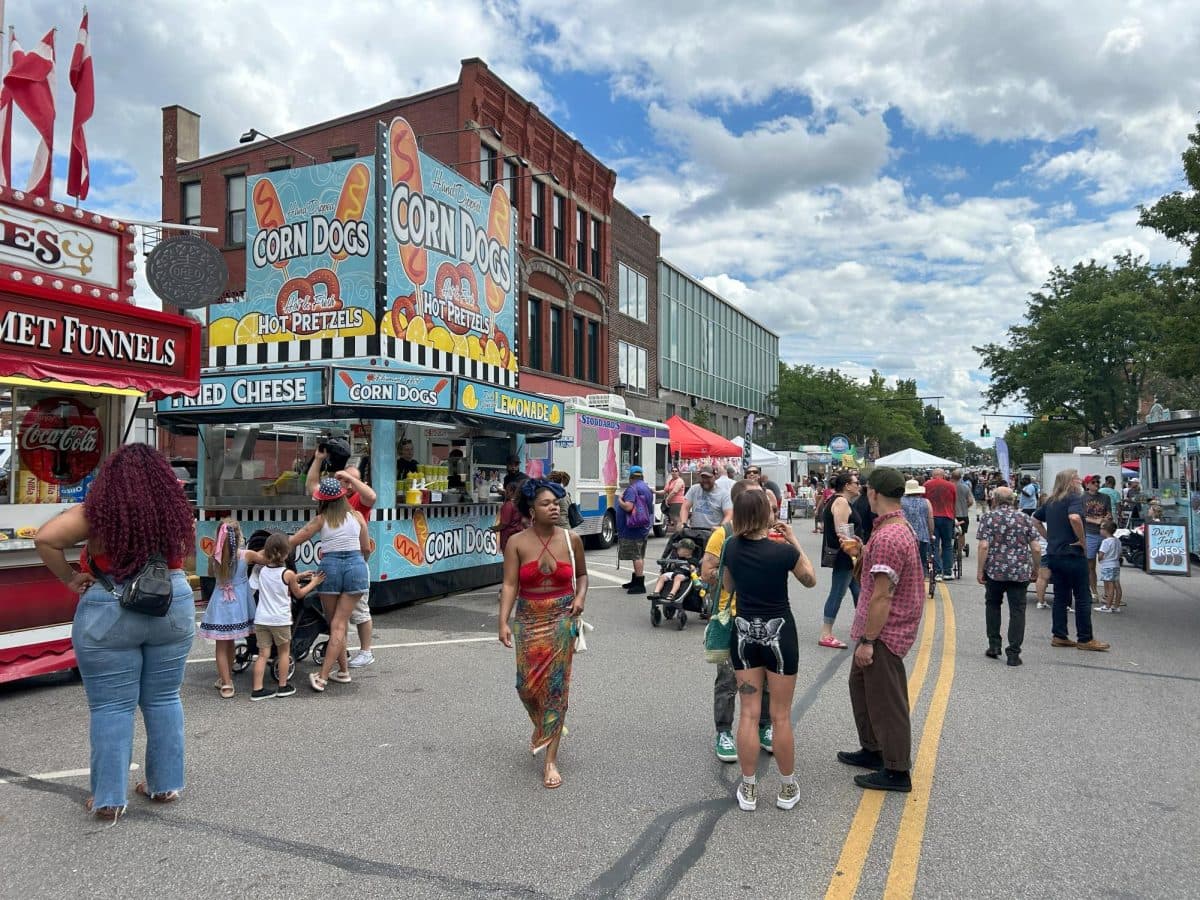
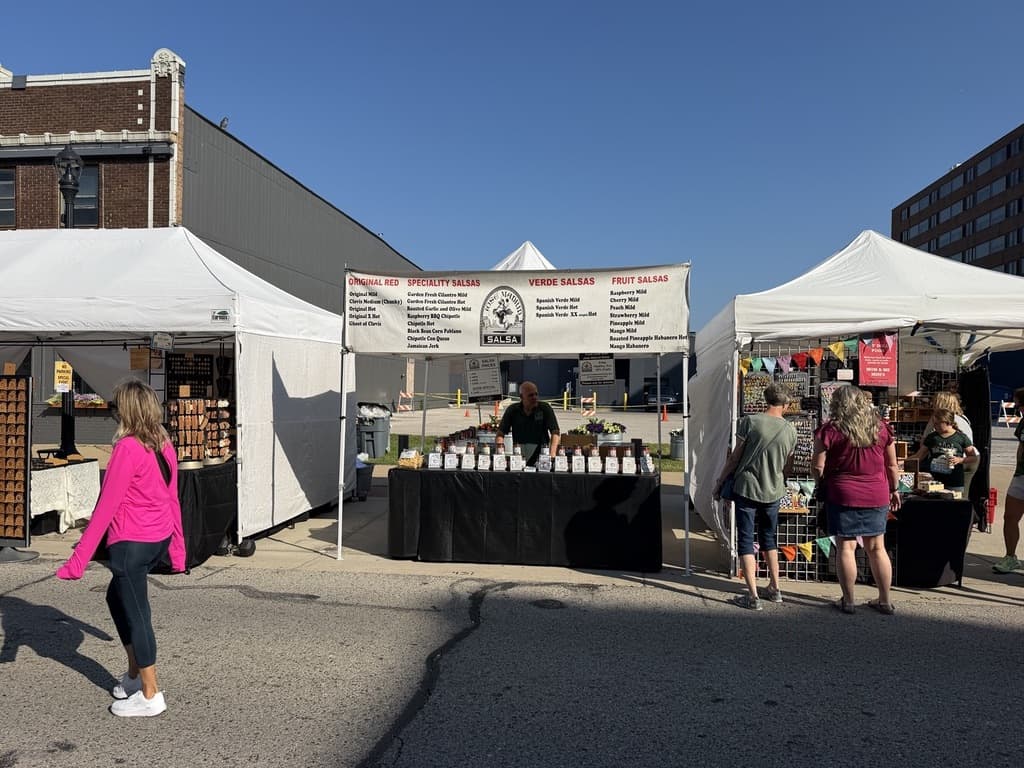
My recent experience has made me question their value. This week, I outsold other sellers without giving out any samples. While this is anecdotal evidence rather than a controlled experiment, it suggests that samples may not be as important as many people assume.
Samples Don’t Guarantee Sales
A sample can attract attention, but attention is not the same as buying intent. Some people will gladly accept a free product with no intention of making a purchase. Serving them takes time, consumes inventory, and can distract from customers who are ready to buy.
Samples can also make the product—not the sales conversation—the entire focus. When sellers rely too heavily on freebies, they may spend less time explaining the product’s value, understanding the customer’s needs, or confidently asking for the sale.
What May Matter More
My results suggest that strong sales fundamentals can outperform free giveaways. These include:
- Engaging customers directly
- Clearly explaining the product’s benefits
- Identifying genuine buying interest
- Answering questions confidently
- Making a clear recommendation
- Asking for the sale
A skilled salesperson can create interest without giving something away first.
When Samples Might Still Work
This does not mean free samples are always useless. They may be worthwhile when:
- The product’s quality is difficult to communicate without trying it
- The sample cost is very low
- Customers are unfamiliar with the brand
- Sampling is tied to a clear sales conversation
- Results are measured against a no-sample approach
The real question is not whether people enjoy receiving samples. Of course they do. The question is whether those samples produce enough additional sales to justify their cost and the time required to distribute them.
Test the Assumption
Rather than assuming sampling works, businesses should measure it. Compare sales, conversion rates, product costs, and time spent during sample and no-sample periods.
My experience—outselling others for two consecutive weeks without offering samples—does not prove that samples never work. It does show that they are not automatically necessary for strong sales.
Free samples should be treated as a measurable sales tool, not an unquestioned tradition. If they do not produce enough additional revenue to cover their cost, they may be doing little more than giving away inventory.
Share this post
Conversation (0)
Sign in to join the conversation.
Be the first to comment.